



Rhinoceros 3D Animation Model
It is a large mammal with a long history, belonging to the family Rhinoceros in the order Rhinoceros. Known for its powerful physique, short and thick limbs, thick skin, and prominent horns. Mainly distributed in tropical and subtropical regions of Asia and Africa, there are currently 4 genera and 5 species of rhinoceros family. It is a herbivorous animal that feeds on small shrubs and herbaceous plants, and inhabits open grasslands, savannas, shrublands, or swamps. Rhinos face serious survival threats, mainly due to habitat loss and illegal poaching caused by human activities. All species of rhinoceros have been listed on the IUCN Red List of Threatened Species, and the work of protecting rhinoceros is urgent.

Little Rhinoceros
Rhinoceros is a large mammal in the family Rhinocerotidae of the order Rhinoceros. Fat and clumsy, with thick and rough skin arranged in folds; The fur is sparse and hard; The ears are oval in shape; Big and long head; Short and thick neck; No canine teeth; The tail is thin and short, and the body is yellow brown, brown, black or gray; Solid single or double horns on the head and nose; Both males and females have double horns, with females having longer horns than males. Rhinos are distributed in Asia, such as India in South Asia; It inhabits sparse grasslands and dense forests in tropical and subtropical regions. They often come out to forage in the early morning, evening, or night, with poor vision and sensitive sense of smell and hearing; Living alone often with little contact between individuals.
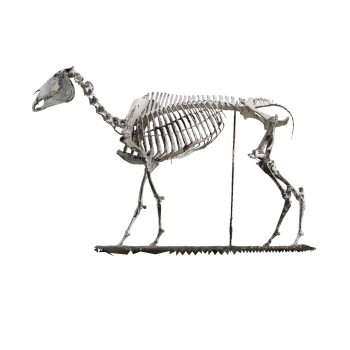
Horse skeleton
Horses are herbivorous animals belonging to the genus Malcoma in the order Quetziformes, and currently exist as two subspecies: domesticated horses and wild horses. Wild horses have upright and non drooping mane on their necks, extremely short forehead hair, long tail hair, and no distance hair on their limbs. In summer, the upper body is light brown, red brown, and reddish brown, while in winter, the back of the skin is light brown; Family horses are divided into heavy, small, and miniature horses according to their breeds; Jiama has long limbs, solid bones, well-developed tendons and ligaments, hard hooves, diverse fur colors, mostly chestnut, green, and black, well-developed sweat glands, and strong chewing power. With a developed system, it has a keen sense of hearing and smell, strong sensitivity to light, and can also see surrounding objects at night.

Rhinoceros skeleton
Rhinoceros is a large mammal in the family Rhinocerotidae of the order Rhinoceros. Fat and clumsy, with thick and rough skin arranged in folds; The fur is sparse and hard; The ears are oval in shape; Big and long head; Short and thick neck; No canine teeth; The tail is thin and short, and the body is yellow brown, brown, black or gray; Solid single or double horns on the head and nose; Both males and females have double horns, with females having longer horns than males. Rhinos are distributed in Asia, such as India in South Asia; It inhabits sparse grasslands and dense forests in tropical and subtropical regions. They often come out to forage in the early morning, evening, or night, with poor vision and sensitive sense of smell and hearing; Living alone often with little contact between individuals.

South American Half Skull Fossil
Hippidion, also known as South American horse, is a member of the horse family in the order of odd hooves. In the mid-19th century, some horse fossils were discovered on the grasslands of South America and handed over to British paleontologist Richard Owen. After restoration, Owen found that they were similar to modern horses, but smaller in size and were ponies, commonly translated as South American horses in China. The body size is not as big as a donkey, with a shoulder height of less than 1.4 meters and a weight of over 200 kilograms. The body shape of a South American horse is similar to that of a pony, with a short and sturdy body, short limbs, and a large head, making it look uncoordinated. Like modern horses, it is suitable for gnawing on hard grass rich in silicon.

Fossil skull of woolly rhinoceros
The woolly rhinoceros is a mammal belonging to the family Rhinocerotidae in the order Neodactyla. The woolly rhinoceros is an extinct species of rhinoceros, named after its thick and dense fur covering its entire body. The woolly rhinoceros has strong bones, a long and large skull, and a head and neck that droops downwards; There is a rhinoceros horn on both the forehead and nose bones. The woolly rhinoceros has a body length of about 4 meters and a shoulder height of about 2 meters. It is covered with warm long hair and thick fur, and has a thick layer of fat under its skin. Like mammoths, they are all ice age animals that adapted to the cold climate and have traveled throughout the northern part of the Eurasian continent. They mainly inhabit the Eurasian grasslands and feed on shrubs and grasses grown in cold climates.

Horse skull
Horses are herbivorous animals belonging to the genus Malcoma in the order Quetziformes, and currently exist as two subspecies: domesticated horses and wild horses. Wild horses have upright and non drooping mane on their necks, extremely short forehead hair, long tail hair, and no distance hair on their limbs. In summer, the upper body is light brown, red brown, and reddish brown, while in winter, the back of the skin is light brown; Family horses are divided into heavy, small, and miniature horses according to their breeds; Jiama has long limbs, solid bones, well-developed tendons and ligaments, hard hooves, diverse fur colors, mostly chestnut, green, and black, well-developed sweat glands, and strong chewing power. With a developed system, it has a keen sense of hearing and smell, strong sensitivity to light, and can also see surrounding objects at night.
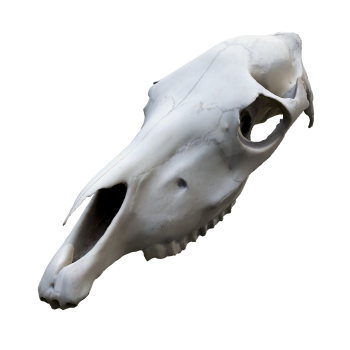
Half skull immediately
Horses are herbivorous animals belonging to the genus Malcoma in the order Quetziformes, and currently exist as two subspecies: domesticated horses and wild horses. Wild horses have upright and non drooping mane on their necks, extremely short forehead hair, long tail hair, and no distance hair on their limbs. In summer, the upper body is light brown, red brown, and reddish brown, while in winter, the back of the skin is light brown; Family horses are divided into heavy, small, and miniature horses according to their breeds; Jiama has long limbs, solid bones, well-developed tendons and ligaments, hard hooves, diverse fur colors, mostly chestnut, green, and black, well-developed sweat glands, and strong chewing power. With a developed system, it has a keen sense of hearing and smell, strong sensitivity to light, and can also see surrounding objects at night.

Rhinoceros skull
Rhinoceros is a large mammal in the family Rhinocerotidae of the order Rhinoceros. Fat and clumsy, with thick and rough skin arranged in folds; The fur is sparse and hard; The ears are oval in shape; Big and long head; Short and thick neck; No canine teeth; The tail is thin and short, and the body is yellow brown, brown, black or gray; Solid single or double horns on the head and nose; Both males and females have double horns, with females having longer horns than males. Rhinos are distributed in Asia, such as India in South Asia; It inhabits sparse grasslands and dense forests in tropical and subtropical regions. They often come out to forage in the early morning, evening, or night, with poor vision and sensitive sense of smell and hearing; Living alone often with little contact between individuals.

Popular Models

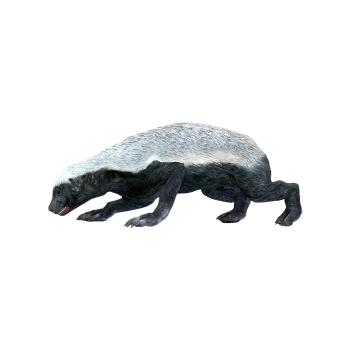
Honey Badger (3D animated model)
192 View
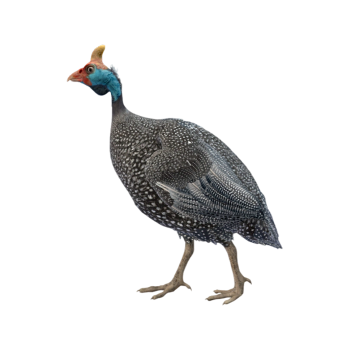
Guinea fowl (3D animated model)
163 View
Wild Goose (3D animated model)
185 View
Red Fox (3D animated model)
153 View
Random Model


Adidas Stan Smith Sneakers
752 View

Grid plastic turnover box
974 View


1960s American microphone
972 View

Lamborghini Aventador SVJ 2019
710 View
Takin specimen
963 View
Mamen Xilong GLB model
857 View

Vintage Wooden Frame Magnifier
822 View

Blackboard
430 View